
Diabetic Retinopathy Evaluation
Home – Diabetic Retinopathy Evaluation
Other Services
Book Your Eye Checkup
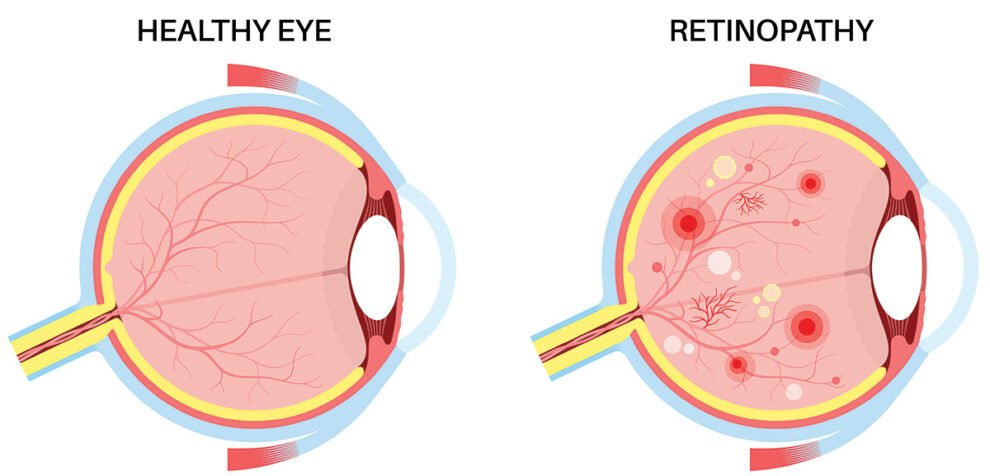
What Is Diabetic Retinopathy Evaluation?
Diabetic retinopathy evaluation is a detailed eye examination focused on detecting diabetes-related changes in the retina, the light-sensitive layer at the back of the eye. Prolonged high blood sugar levels can damage retinal blood vessels, leading to vision impairment if left untreated.
Early detection allows monitoring and timely intervention before irreversible damage occurs. Regular retinal evaluations are essential for people with diabetes, even when vision appears normal.
Regular retinal screening is recommended for all individuals with diabetes.
- Type 1 or Type 2 diabetes
- Long-standing diabetes
- Poor blood sugar control
- Pregnancy with diabetes
- Vision changes or blurring
Diabetic retinopathy is a diabetes-related eye condition that can progress silently and threaten vision if not detected early. A comprehensive evaluation helps identify retinal changes at the earliest stage and enables timely management to protect sight.

Early Detection
Identifies subtle retinal changes before symptoms appear, allowing intervention at a stage when vision can still be preserved.
Vision Preservation
Reduces the risk of permanent vision loss through proactive retinal care.
Timely Intervention
Helps initiate monitoring or treatment at the right time to prevent disease progression.
Accurate Disease Monitoring
Tracks retinal changes over time to assess progression and treatment response.
What to Expect:
Your Diabetic Retinopathy Evaluation Journey
A detailed assessment of vision and eye health is performed, along with pupil dilation to allow a clear view of the retina.
High-resolution fundus photography and OCT scans are used to detect and document retinal changes accurately.
Findings are carefully analyzed to determine the stage of retinopathy and risk of progression.
Based on results, monitoring intervals, lifestyle advice, or referral for further treatment is discussed clearly.
Book Your Eye Checkup
Trusted Eye Care
what sets dr astha patel apart
Dr. Astha Patel offers advanced, personalized eye care backed by experience, technology, and ethical practice. Her focus on safety, accuracy, and long-term vision health ensures consistent and reliable outcomes for her patients. Here’s why patients confidently choose Dr. Astha Patel.
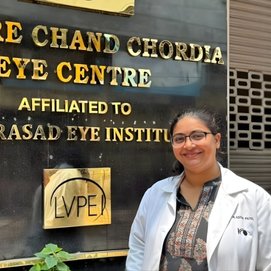

Fellowship-Trained Expertise
Advanced training at Sankara Nethralaya and L.V. Prasad Eye Institute, ensuring evidence-based care and strong clinical foundations.
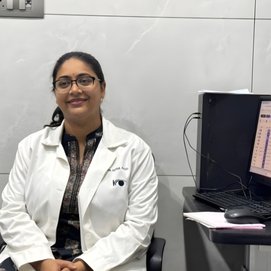
Precision Cataract Surgery
Specialized in advanced phacoemulsification with a focus on safety, accuracy, and consistent visual outcomes.
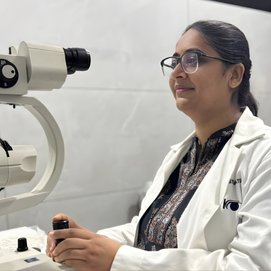

Advanced Eye Diagnostics
Use of OCT, visual fields, and fundus imaging for accurate diagnosis and effective monitoring.
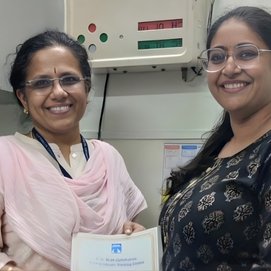

Ethical, Patient-First Care
Transparent guidance within a trust hospital–based practice, prioritizing safety and long-term vision.
Common Questions About Diabetic Retinopathy Evaluation
Yes. In the early stages, diabetic retinopathy often causes no noticeable symptoms. This is why regular eye evaluations are essential, even when vision feels completely normal.
Most patients with diabetes should undergo a retinal evaluation at least once a year. If changes are detected, more frequent monitoring may be recommended.
Early changes can often be stabilized with good sugar control and timely treatment. Advanced damage, however, may not be fully reversible, making early detection crucial.
No. Retinal evaluations are non-invasive and painless. Some tests require pupil dilation, which may cause temporary light sensitivity or blurring.
Good sugar control significantly reduces the risk of retinopathy but does not completely eliminate it. Regular eye checks remain essential.
Built on trust and patient confidence.
Trusted by Our Patients
We believe that the true measure of care is reflected in patient experiences. These words represent honest feedback from individuals who have trusted Dr. Astha Patel for their eye care and treatment.
Take the First Step to Clearer Vision Healthier Eyes Confident Sight
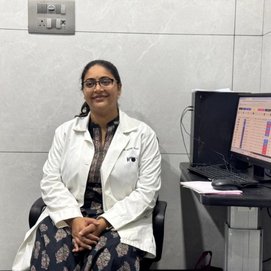
Protect Your Vision from Diabetic Retinopathy
Diabetic retinopathy evaluation helps detect silent retinal changes before vision loss occurs. Early screening and regular follow-up are key to preserving eyesight in individuals with diabetes.
Consult Dr. Astha Patel
Receive personalized eye care under the guidance of Dr. Astha Patel, with a focus on safety, accuracy, and long-term visual health. From detailed evaluations to personalized treatment plans, her approach combines advanced clinical training, modern technology, and careful treatment planning to ensure dependable outcomes and confidence in every decision made for your eyes.